Welcome to Wooke Rock Drilling Tools Co., Ltd
Manufacturer's Insight: Essential Maintenance for DTH Drilling Tools
As a professional DTH drilling tools manufacturer, WOOKE understands that proper operation and maintenance are key to ensuring drilling efficiency, tool longevity, and cost-effectiveness.
Below, we share the core maintenance guidelines that every operator should follow.
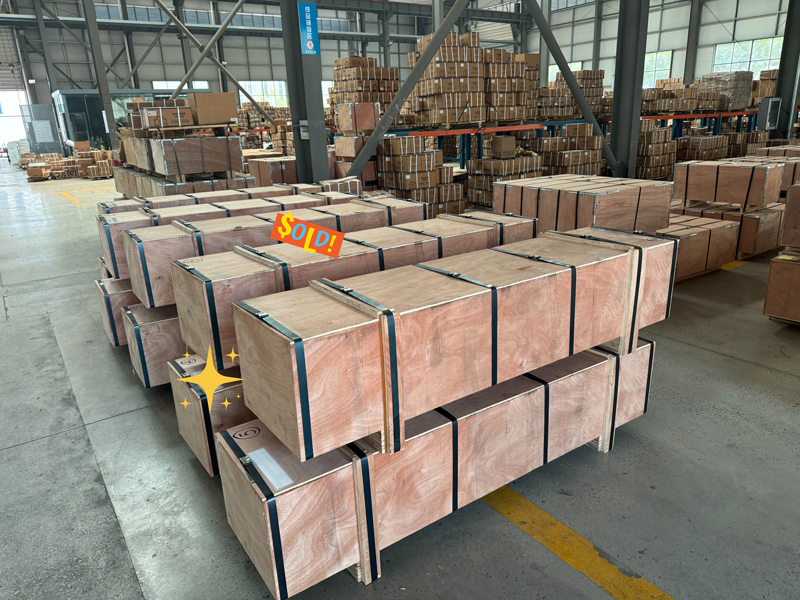
1. Key Factors Affecting DTH Tool Performance
Three main parameters determine the service life and performance of DTH drilling tools: air pressure, axial pressure, and rotation speed.
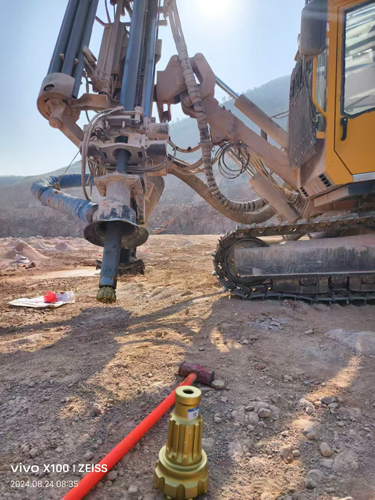
Air Pressure
Recommended operating range: 0.7–3.0 MPa
Higher pressure delivers faster penetration rates.
The optimal working pressure is 1.2–3.0 MPa, depending on rock hardness and drilling depth.
Axial Pressure
The applied feed force should be slightly greater than the hammer's recoil force to maintain stable impact energy.
Excessive pressure causes premature wear of internal components and reduces overall drilling efficiency.
Rotation Speed
Recommended rotation speed: 15–45 rpm
Higher speed increases penetration, but for larger hole diameters or harder rock, the speed should be reduced accordingly.
A balanced rotation speed achieves the best rock-breaking performance with minimal energy loss.
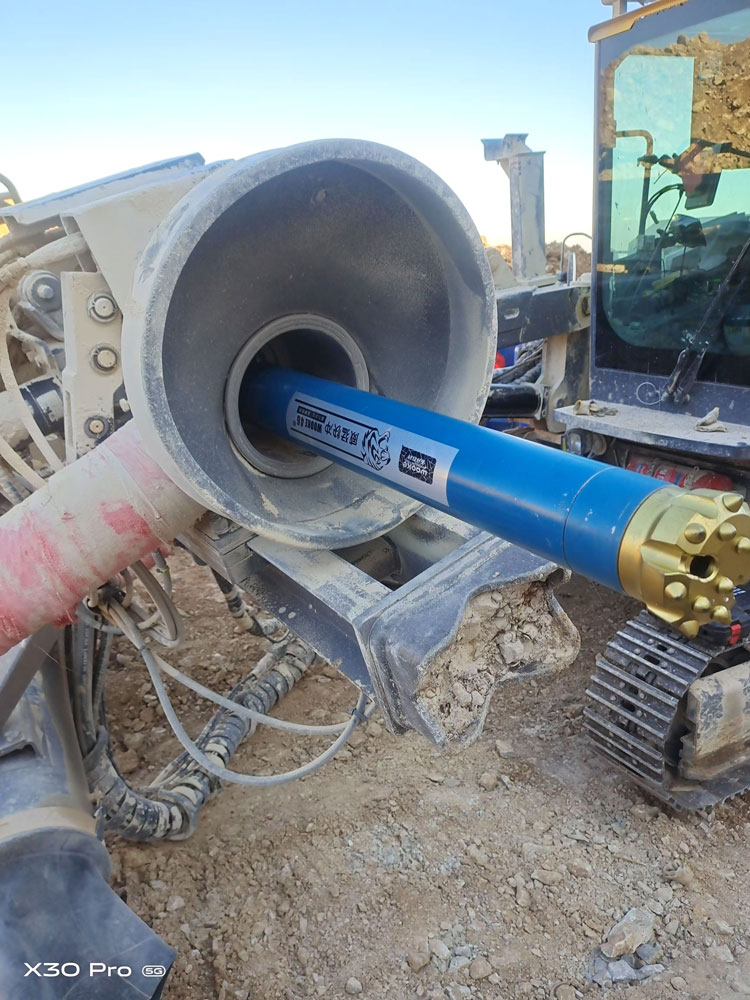
2. Before Operation
Clean air lines and drill pipes thoroughly using high-pressure air.
Check the lubricator to ensure sufficient oil supply. Running the hammer without lubrication can cause piston damage or breakage.
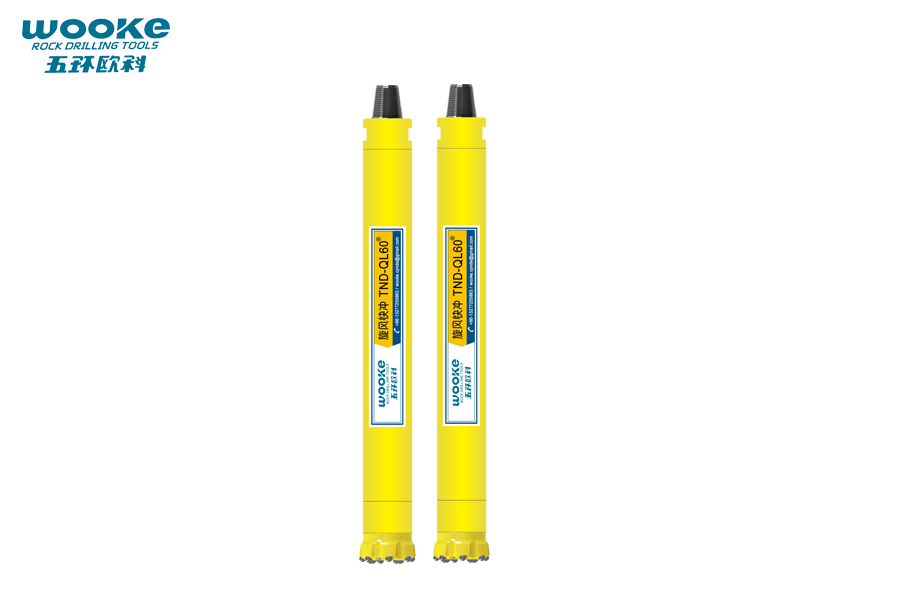
Inspect the hammer body for damage, dents, corrosion, or debris ingress before use.
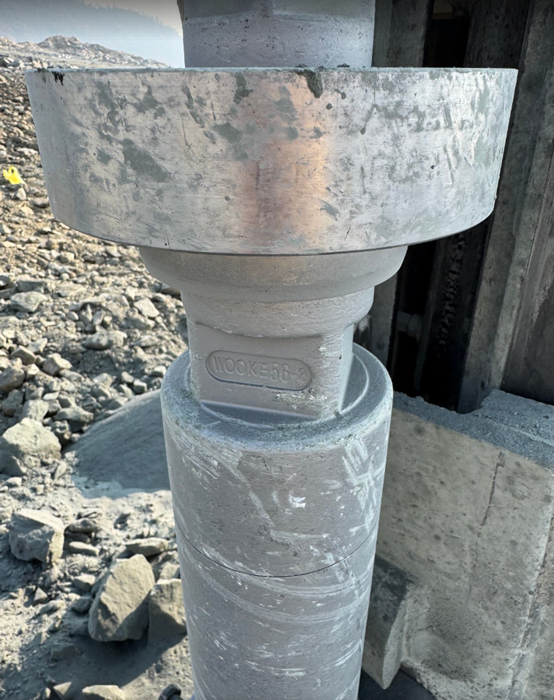
3. During Operation
Never stop the air supply while drilling or lifting the drill string — this prevents bit sticking.
The DTH hammer must rotate clockwise (except for left-hand rotation models). Do not reverse rotation inside the hole to avoid tool loss.
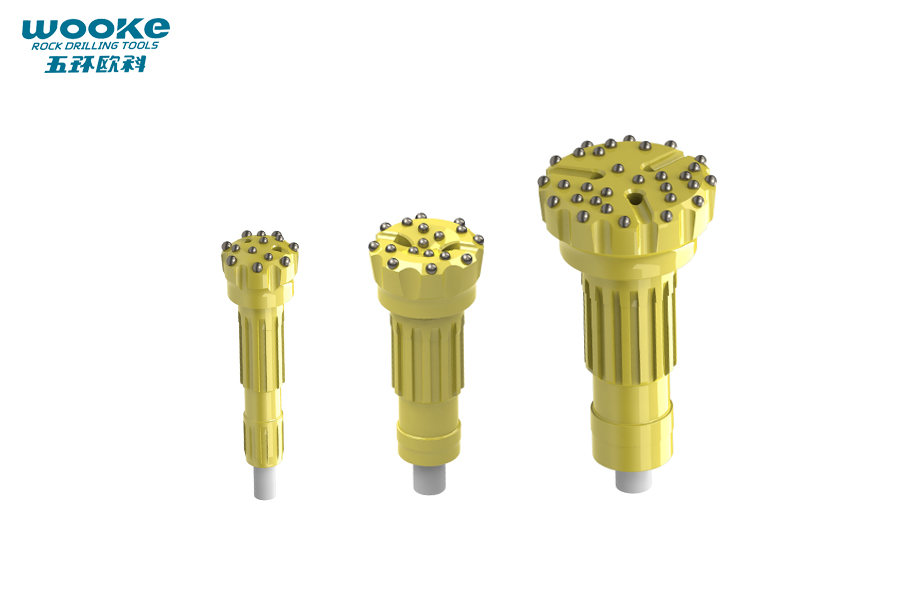
The new bit diameter should not exceed that of the worn bit it replaces, to prevent jamming.
When drilling in water-bearing formations, avoid leaving the hammer at the hole bottom when air supply is cut off.
If drilling must pause, lift the hammer at least two drill pipes above the hole bottom.
Regularly perform strong air flushing to clean the hole bottom and prevent blockage caused by boulders or interlayers.
Frequently inspect the chuck sleeve and piston case for wear.
The chuck sleeve's diameter must never be smaller than the outer casing's.
Replace components once they reach the minimum allowable size.
4. After Operation
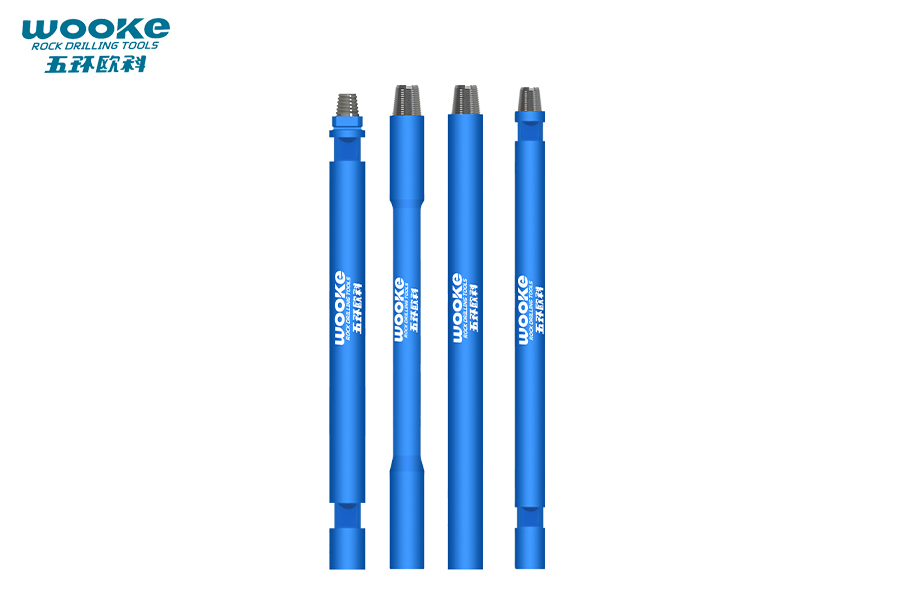
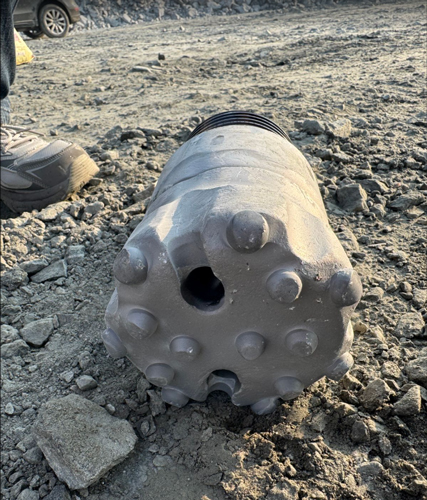
Always keep drill rods clean. Avoid exposing threads to mud or dust. Use thread protectors whenever possible.
If threads become dirty, clean them with a wire brush or cloth.
When not in use, flush the hammer, add clean, low-viscosity oil, apply grease on threads, and seal both ends.
Assemble or disassemble the hammer in a clean workspace.
Never strike the hammer body with a sledgehammer to avoid deformation or cracking.
All connection threads are right-hand (except for left-hand rotation models). Pay attention to the correct wrench direction.
Final Tip
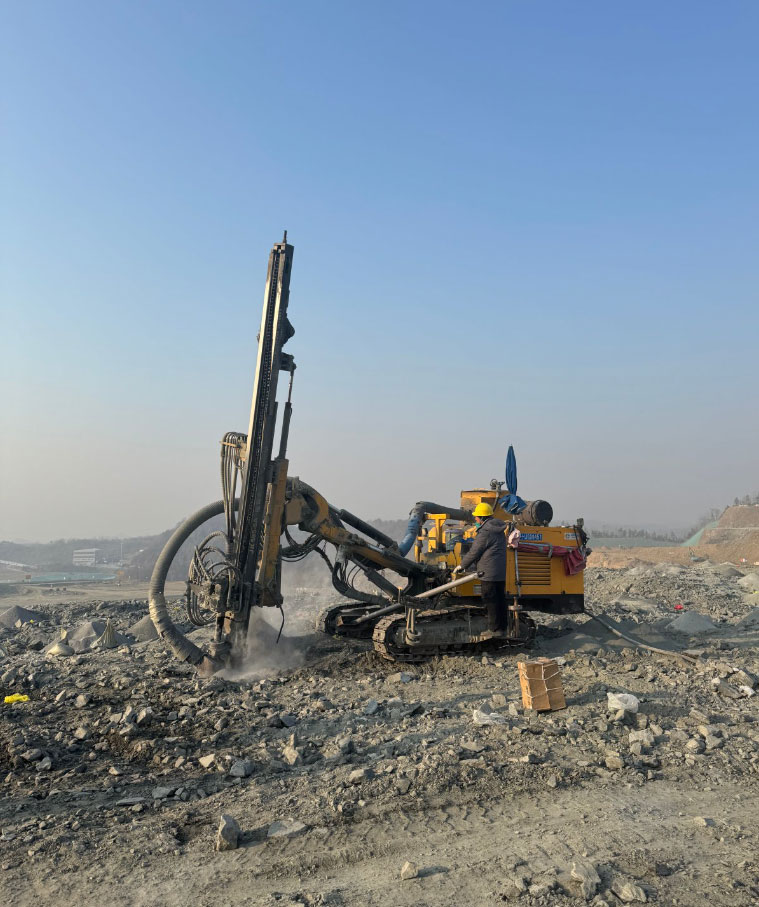
Regular maintenance not only extends the service life of your DTH hammer and drill bits but also ensures a consistent penetration rate and operational reliability.
Proper care keeps your drilling equipment performing at its best — even in the toughest geological conditions.